When severe weather strikes the New Hampshire Seacoast, roof damage can happen fast, and waiting too long to act can make a bad situation worse. At Dover Roofing LLC, our family-owned team is always ready to step in when homeowners and property managers need immediate help. With 24/7 emergency repair service and deep experience handling storm-related roofing issues, we provide fast, reliable emergency roof tarping to protect your home until permanent repairs can be made.
Emergency roof tarping is one of the most important first steps after storm damage. Below, we’ll explain when tarping is needed, how it works, and why temporary roof protection plays such a critical role in limiting damage and repair costs.
What Is Emergency Roof Tarping?
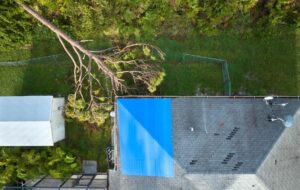
Emergency roof tarping is the process of securely covering damaged areas of a roof with heavy-duty, weather-resistant tarps. This creates a temporary barrier that blocks rain, snow, ice, and debris from entering your home.
While tarping is not a permanent fix, it is a highly effective form of temporary roof protection that helps stabilize the situation until professional repairs or a totally new roof replacement can be completed.
When Is Emergency Roof Tarping Needed?
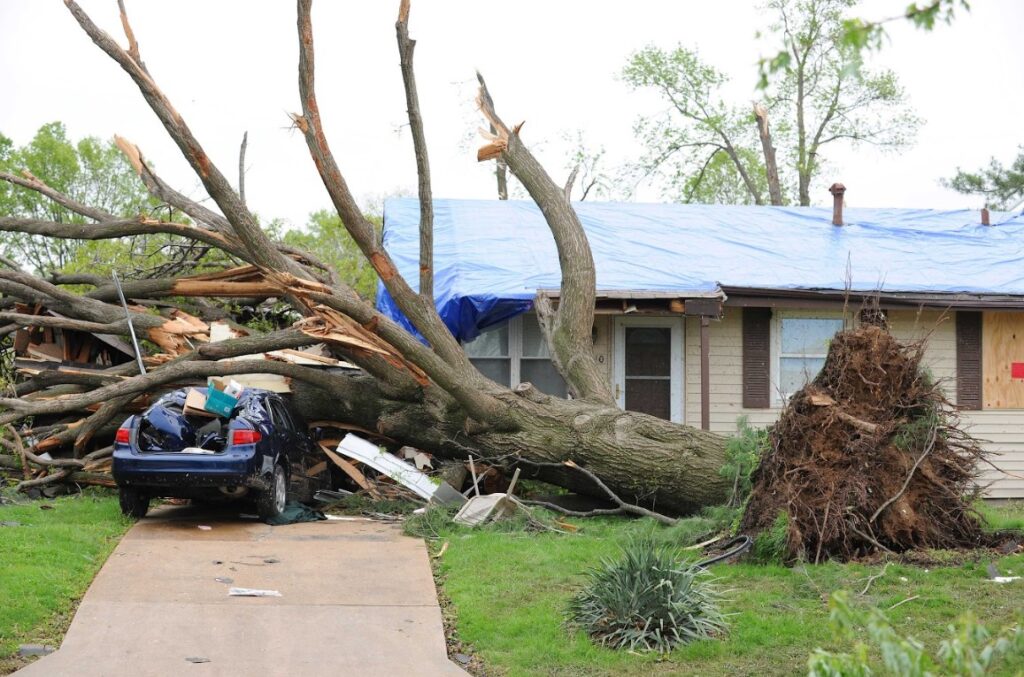
Emergency roof tarping is typically needed when storm damage compromises your roof’s ability to keep water out. Common scenarios include:
- Wind damage that lifts or removes shingles
- Snow and ice damage that causes sudden leaks
- Hail damage that cracks or punctures roofing materials
- Fallen tree limbs or debris impacting the roof surface
- Severe leaks appearing during or immediately after a storm
If water is entering your home, or is likely to enter with the next round of weather, tarping should be done as soon as possible.
How Storm Roof Damage Can Escalate Without Tarping
After a storm, even small roof openings can quickly lead to widespread damage. Without emergency roof tarping, exposure can result in:
- Interior water damage to ceilings, walls, and floors
- Insulation saturation and loss of energy efficiency
- Wood rot in the roof decking and framing
- Mold growth due to trapped moisture
- Increased repair scope and higher overall costs
Temporary roof protection helps stop this chain reaction before it begins.
How Emergency Roof Tarping Protects Your Home
Professional emergency roof tarping from Dover Roofing LLC provides multiple layers of protection:
Immediate Water Barrier
Tarps are installed to redirect water away from damaged areas, preventing leaks during rain, snow, or melting ice.
Structural Protection
By keeping moisture out, tarping helps preserve roof decking, framing, and interior materials until permanent repairs are possible.
Damage Containment
Emergency tarping limits how far storm damage spreads, often reducing the extent of repairs required later.
Safer Repair Timeline
With temporary protection in place, repairs can be scheduled safely and strategically, without rushing or risking further damage during bad weather.
Why Professional Tarping Matters
Emergency roof tarping may look simple, but improper installation can fail under wind, snow, or ice loads. Our experienced roofing professionals ensure tarps are:
- Correctly sized and positioned
- Securely fastened to withstand harsh conditions
- Installed without causing additional roof damage
- Designed to hold until repairs or replacement can begin
Climbing onto a storm-damaged roof without proper training is dangerous, especially during winter or high winds. Our roofing crew handles the job safely and efficiently.
Emergency Roof Tarping and Insurance Claims
Storm roof damage often involves insurance claims, and emergency tarping plays an important role in that process. Insurance providers typically expect homeowners to take reasonable steps to prevent further damage.
By acting quickly and arranging emergency roof tarping, you show that you’ve protected the property responsibly. Dover Roofing LLC also provides insurance claims assistance, helping document damage and guide you through the next steps once the roof is stabilized.
Tarping for Residential and Commercial Properties
Emergency roof tarping is not limited to homes. Commercial buildings with flat or low-slope roofing, such as EPDM, TPO, PVC, metal, and asphalt, can also suffer sudden storm damage. Temporary roof protection helps businesses avoid interior damage, equipment loss, and operational downtime while permanent repairs are planned.
What Happens After Tarping?
Once your roof is protected, our team can assess whether you need:
- Targeted roof repairs
- Partial roof replacement
- Full roof replacement using durable materials suited for New England weather
Tarping buys you time, time to make informed decisions without ongoing water intrusion.
Call Dover Roofing LLC for Emergency Roof Tarping
When storms strike, fast action matters. If your home or commercial property has suffered storm roof damage, Dover Roofing LLC is ready to respond with professional emergency roof tarping and reliable temporary roof protection.
Contact Dover Roofing LLC today for immediate assistance. Our Seacoast-based team is available 24/7 to secure your roof, protect your property, and guide you toward lasting repairs with confidence and care.